
Weathering
Weathering is a fundamental geological process where rocks and minerals are broken down into smaller particles through various physical, chemical, and biological mechanisms. Physical weathering occurs when rocks are fragmented by physical forces such as temperature changes, frost wedging, or root growth. Chemical weathering involves the alteration of minerals due to chemical reactions with water, oxygen, or acids present in the environment. Biological weathering results from the activities of organisms like plants or burrowing animals that contribute to rock breakdown. Together, these processes play a crucial role in shaping landscapes over geological timescales, contributing to soil formation and influencing the Earth's surface morphology. Understanding weathering processes is essential for studying how geological materials interact with their environments and how landscapes evolve over time.
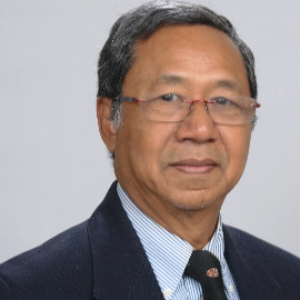
Myint Win Bo
Toronto Metropolitan University , Canada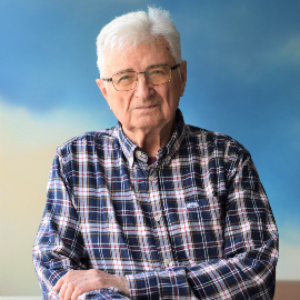
Leonid Anisimov
Volgograd State University, Russian Federation
Shozo Yanagida
Osaka University, Japan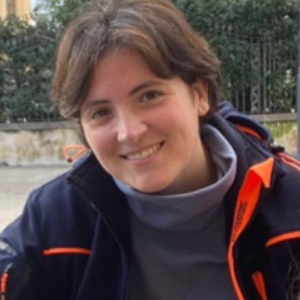
Martina Gaglioti
LIPU, Italy
Maria Vicenta Esteller Alberich
Universidad Autónoma del Estado de México, Mexico
Oscar Andres Cuanalo Campos
Universidad Popular Autónoma del Estado de Puebla, Mexico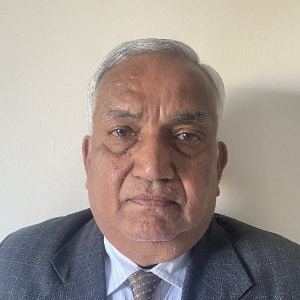
Arun K Shandilya
Dr HSG University Sagar, India

Title : Geotechnical ground investigation
Myint Win Bo, Toronto Metropolitan University , Canada
Title : Simultaneous Global Climate Change "Heat Waves" and microwave and radio-wave from Solar Flares
Shozo Yanagida, Osaka University, Japan
Title : How subsurface waters record the earth’s history
Leonid Anisimov, Volgograd State University, Russian Federation
Title : Landslides.Rainfall one of the main triggering factors in the mountainous regions of Puebla, Mexico.
Oscar Andres Cuanalo Campos, Universidad Popular Autónoma del Estado de Puebla, Mexico
Title : Geo Education exploratory learning sessions on field and underwater
Martina Gaglioti, LIPU, Italy
Title : Linking between color and element concentration for Fluorite: An optical spectroscopic approach
Ali Almohammed, Pandit Deendayal Energy University, India