
Seismicity
Seismicity refers to the occurrence, distribution, and intensity of earthquakes within a specific region over time. It is a fundamental aspect of geology and earth science, crucial for understanding tectonic processes and hazards. Seismic activity results from the movement of tectonic plates along faults or from volcanic activity. Monitoring seismicity involves using seismographs to detect and measure ground vibrations caused by seismic waves. By studying seismicity patterns, scientists can delineate active fault zones, assess earthquake risks, and develop strategies for earthquake preparedness and mitigation. This field also contributes to broader research on plate tectonics, crustal dynamics, and the Earth's internal structure, enhancing our understanding of geological processes that shape the planet.
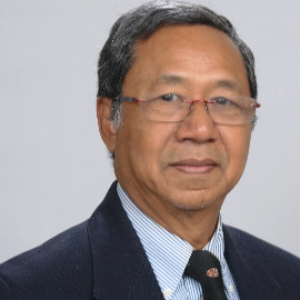
Myint Win Bo
Toronto Metropolitan University , Canada
Leonid Anisimov
Volgograd State University, Russian Federation
Shozo Yanagida
Osaka University, Japan
Martina Gaglioti
LIPU, Italy
Maria Vicenta Esteller Alberich
Universidad Autónoma del Estado de México, Mexico
Oscar Andres Cuanalo Campos
Universidad Popular Autónoma del Estado de Puebla, Mexico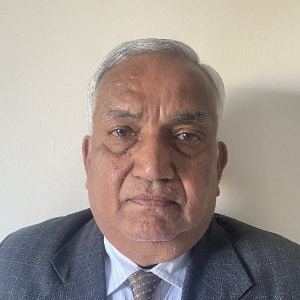
Arun K Shandilya
Dr HSG University Sagar, India

Title : Geotechnical ground investigation
Myint Win Bo, Toronto Metropolitan University , Canada
Title : Simultaneous Global Climate Change "Heat Waves" and microwave and radio-wave from Solar Flares
Shozo Yanagida, Osaka University, Japan
Title : How subsurface waters record the earth’s history
Leonid Anisimov, Volgograd State University, Russian Federation
Title : Landslides.Rainfall one of the main triggering factors in the mountainous regions of Puebla, Mexico.
Oscar Andres Cuanalo Campos, Universidad Popular Autónoma del Estado de Puebla, Mexico
Title : Geo Education exploratory learning sessions on field and underwater
Martina Gaglioti, LIPU, Italy
Title : Linking between color and element concentration for Fluorite: An optical spectroscopic approach
Ali Almohammed, Pandit Deendayal Energy University, India