
Palaeoceanography
Palaeoceanography
Paleoceanography explores Earth's ancient oceans, unraveling their past climates, currents, and ecosystems through sedimentary records. By analyzing fossils, isotopes, and sediment layers preserved over millions of years, paleoceanographers reconstruct oceanic conditions from various geological epochs. This interdisciplinary field integrates geology, chemistry, and biology to decipher how ocean dynamics influenced global climate shifts and biological evolution. Through paleoceanographic research, scientists gain insights into the Earth's geological history, the impact of past climate changes on marine life, and how these insights can inform predictions about future oceanic and climatic trends.
Committee Members
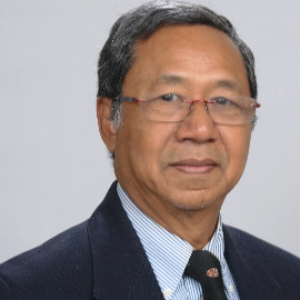
Myint Win Bo
Toronto Metropolitan University , Canada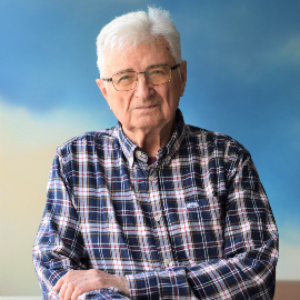
Leonid Anisimov
Volgograd State University, Russian Federation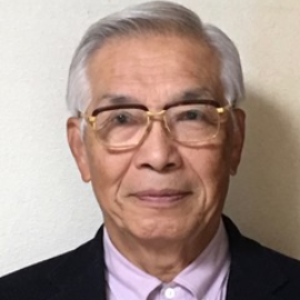
Shozo Yanagida
Osaka University, Japan Geology 2023 Speakers
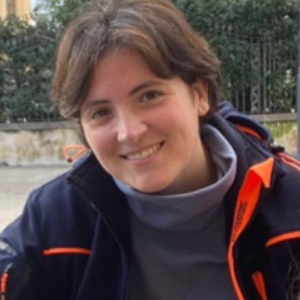
Martina Gaglioti
LIPU, Italy
Maria Vicenta Esteller Alberich
Universidad Autónoma del Estado de México, Mexico
Oscar Andres Cuanalo Campos
Universidad Popular Autónoma del Estado de Puebla, Mexico
Arun K Shandilya
Dr HSG University Sagar, India

Title : Geotechnical ground investigation
Myint Win Bo, Toronto Metropolitan University , Canada
Title : Simultaneous Global Climate Change "Heat Waves" and microwave and radio-wave from Solar Flares
Shozo Yanagida, Osaka University, Japan
Title : How subsurface waters record the earth’s history
Leonid Anisimov, Volgograd State University, Russian Federation
Title : Landslides.Rainfall one of the main triggering factors in the mountainous regions of Puebla, Mexico.
Oscar Andres Cuanalo Campos, Universidad Popular Autónoma del Estado de Puebla, Mexico
Title : Geo Education exploratory learning sessions on field and underwater
Martina Gaglioti, LIPU, Italy
Title : Linking between color and element concentration for Fluorite: An optical spectroscopic approach
Ali Almohammed, Pandit Deendayal Energy University, India