
Oil Spills
Oil spills are catastrophic events with severe environmental and geological consequences. When oil leaks into marine or terrestrial environments, it disrupts ecosystems, contaminates water supplies, and poses significant threats to wildlife. Geologically, oil spills can alter sediment composition, affecting the geochemistry and physical properties of the soil and seabed. The interaction of oil with natural geological formations can lead to long-term pollution, making remediation efforts challenging. Techniques such as bioremediation, where microbes are used to degrade oil, and physical methods like skimming and containment, are employed to mitigate the impact. Understanding the geological aspects of oil spills is crucial for developing effective prevention and cleanup strategies, ensuring the protection of our planet's delicate ecosystems.
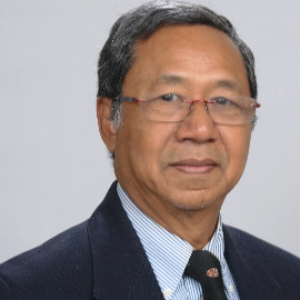
Myint Win Bo
Toronto Metropolitan University , Canada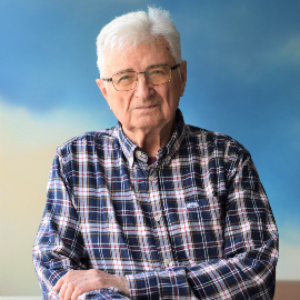
Leonid Anisimov
Volgograd State University, Russian Federation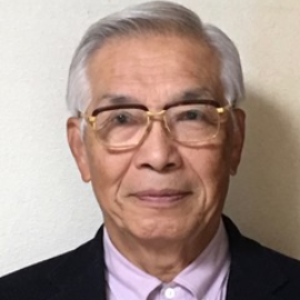
Shozo Yanagida
Osaka University, Japan
Martina Gaglioti
LIPU, Italy
Maria Vicenta Esteller Alberich
Universidad Autónoma del Estado de México, Mexico
Oscar Andres Cuanalo Campos
Universidad Popular Autónoma del Estado de Puebla, Mexico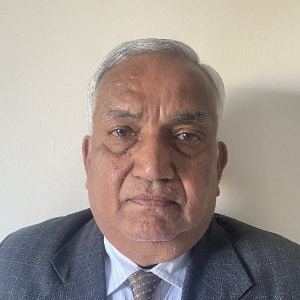
Arun K Shandilya
Dr HSG University Sagar, India

Title : Geotechnical ground investigation
Myint Win Bo, Toronto Metropolitan University , Canada
Title : Simultaneous Global Climate Change "Heat Waves" and microwave and radio-wave from Solar Flares
Shozo Yanagida, Osaka University, Japan
Title : How subsurface waters record the earth’s history
Leonid Anisimov, Volgograd State University, Russian Federation
Title : Landslides.Rainfall one of the main triggering factors in the mountainous regions of Puebla, Mexico.
Oscar Andres Cuanalo Campos, Universidad Popular Autónoma del Estado de Puebla, Mexico
Title : Geo Education exploratory learning sessions on field and underwater
Martina Gaglioti, LIPU, Italy
Title : Linking between color and element concentration for Fluorite: An optical spectroscopic approach
Ali Almohammed, Pandit Deendayal Energy University, India