
Natural Hazards
Natural hazards are geological events or processes that pose a threat to human life or property. These include earthquakes, volcanic eruptions, tsunamis, landslides, and floods. Geologists study these phenomena to understand their causes, predict their occurrence, and mitigate their impacts. Earthquake-prone regions, for instance, benefit from fault mapping and seismic monitoring, while volcanic hazards are assessed through volcanic gas monitoring and geological mapping. Understanding the dynamics of natural hazards involves interdisciplinary research integrating geology, seismology, climatology, and oceanography. This knowledge not only aids in early warning systems but also informs land use planning and disaster preparedness strategies, crucial for minimizing the loss of life and infrastructure in vulnerable areas globally.
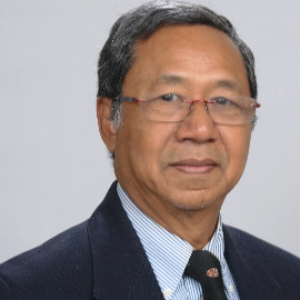
Myint Win Bo
Toronto Metropolitan University , Canada
Leonid Anisimov
Volgograd State University, Russian Federation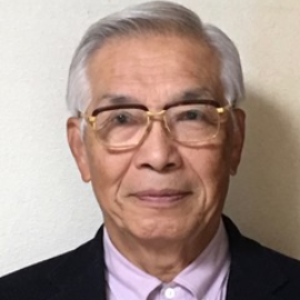
Shozo Yanagida
Osaka University, Japan
Martina Gaglioti
LIPU, Italy
Maria Vicenta Esteller Alberich
Universidad Autónoma del Estado de México, Mexico
Oscar Andres Cuanalo Campos
Universidad Popular Autónoma del Estado de Puebla, Mexico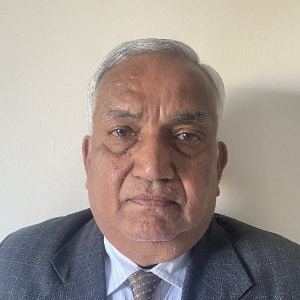
Arun K Shandilya
Dr HSG University Sagar, India

Title : Geotechnical ground investigation
Myint Win Bo, Toronto Metropolitan University , Canada
Title : Simultaneous Global Climate Change "Heat Waves" and microwave and radio-wave from Solar Flares
Shozo Yanagida, Osaka University, Japan
Title : How subsurface waters record the earth’s history
Leonid Anisimov, Volgograd State University, Russian Federation
Title : Landslides.Rainfall one of the main triggering factors in the mountainous regions of Puebla, Mexico.
Oscar Andres Cuanalo Campos, Universidad Popular Autónoma del Estado de Puebla, Mexico
Title : Geo Education exploratory learning sessions on field and underwater
Martina Gaglioti, LIPU, Italy
Title : Linking between color and element concentration for Fluorite: An optical spectroscopic approach
Ali Almohammed, Pandit Deendayal Energy University, India