
Metamorphic Processes
Metamorphic processes are geological transformations that alter rocks through heat, pressure, and chemical reactions, occurring deep within the Earth's crust or during tectonic events. These processes change the mineral composition, texture, and structure of existing rocks, creating metamorphic rocks like marble, slate, and quartzite from pre-existing igneous, sedimentary, or other metamorphic rocks. Heat from magma or frictional forces, combined with pressure from overlying rocks or tectonic movements, initiates these changes. Metamorphism often leads to the growth of new minerals or reorientation of existing ones, affecting the rock's strength, density, and appearance. Understanding these processes helps geologists interpret the Earth's history and the conditions under which rocks formed, offering insights into past tectonic events and the evolution of geological landscapes.
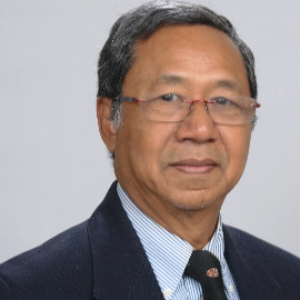
Myint Win Bo
Toronto Metropolitan University , Canada
Leonid Anisimov
Volgograd State University, Russian Federation
Shozo Yanagida
Osaka University, Japan
Martina Gaglioti
LIPU, Italy
Maria Vicenta Esteller Alberich
Universidad Autónoma del Estado de México, Mexico
Oscar Andres Cuanalo Campos
Universidad Popular Autónoma del Estado de Puebla, Mexico
Arun K Shandilya
Dr HSG University Sagar, India

Title : Geotechnical ground investigation
Myint Win Bo, Toronto Metropolitan University , Canada
Title : Simultaneous Global Climate Change "Heat Waves" and microwave and radio-wave from Solar Flares
Shozo Yanagida, Osaka University, Japan
Title : How subsurface waters record the earth’s history
Leonid Anisimov, Volgograd State University, Russian Federation
Title : Landslides.Rainfall one of the main triggering factors in the mountainous regions of Puebla, Mexico.
Oscar Andres Cuanalo Campos, Universidad Popular Autónoma del Estado de Puebla, Mexico
Title : Geo Education exploratory learning sessions on field and underwater
Martina Gaglioti, LIPU, Italy
Title : Linking between color and element concentration for Fluorite: An optical spectroscopic approach
Ali Almohammed, Pandit Deendayal Energy University, India