
Mathematical tools in Geology
Mathematical tools play a crucial role in geology, aiding in the interpretation and analysis of geological data. Geostatistics, for instance, employs mathematical models to characterize spatial variability in geological phenomena, such as mineral distributions or groundwater flow. Mathematical modeling also helps simulate geological processes over time, like erosion or sediment transport, offering insights into landscape evolution. In structural geology, mathematical techniques like stereographic projections assist in visualizing and analyzing complex rock orientations and fault systems. Additionally, mathematical algorithms in seismic imaging help reconstruct subsurface geological structures from seismic data, crucial for oil exploration and earthquake studies. These tools not only enhance understanding but also contribute significantly to decision-making in resource management and hazard assessment within the field of geology.
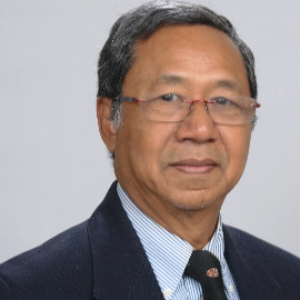
Myint Win Bo
Toronto Metropolitan University , Canada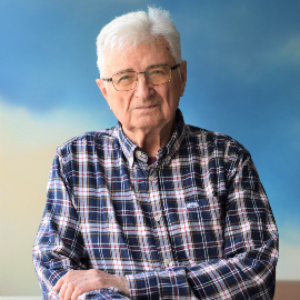
Leonid Anisimov
Volgograd State University, Russian Federation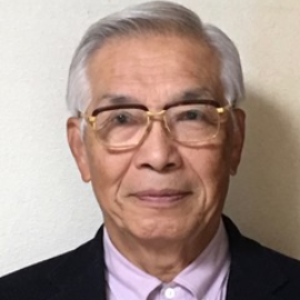
Shozo Yanagida
Osaka University, Japan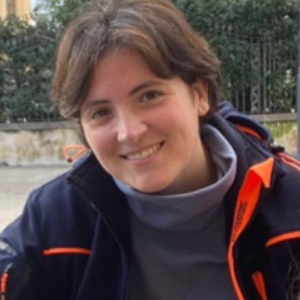
Martina Gaglioti
LIPU, Italy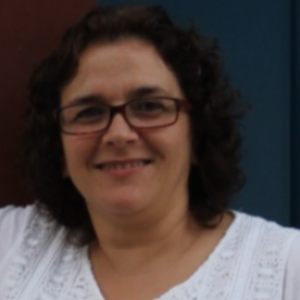
Maria Vicenta Esteller Alberich
Universidad Autónoma del Estado de México, Mexico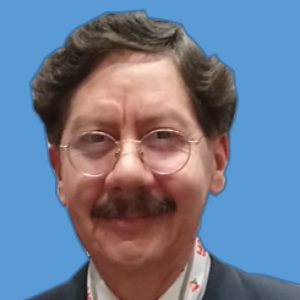
Oscar Andres Cuanalo Campos
Universidad Popular Autónoma del Estado de Puebla, Mexico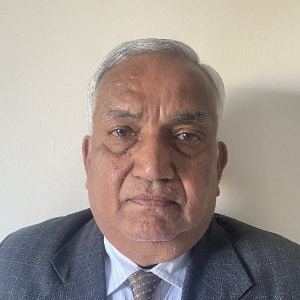
Arun K Shandilya
Dr HSG University Sagar, India

Title : Geotechnical ground investigation
Myint Win Bo, Toronto Metropolitan University , Canada
Title : Simultaneous Global Climate Change "Heat Waves" and microwave and radio-wave from Solar Flares
Shozo Yanagida, Osaka University, Japan
Title : How subsurface waters record the earth’s history
Leonid Anisimov, Volgograd State University, Russian Federation
Title : Landslides.Rainfall one of the main triggering factors in the mountainous regions of Puebla, Mexico.
Oscar Andres Cuanalo Campos, Universidad Popular Autónoma del Estado de Puebla, Mexico
Title : Geo Education exploratory learning sessions on field and underwater
Martina Gaglioti, LIPU, Italy
Title : Linking between color and element concentration for Fluorite: An optical spectroscopic approach
Ali Almohammed, Pandit Deendayal Energy University, India