
Marine Resources
Marine resources encompass a diverse array of geological and earth science aspects, crucial for sustainable management. Geologically, marine sediments hold clues to Earth's history, recording past climates and tectonic events. These sediments also host valuable mineral deposits like manganese nodules and hydrothermal vents, vital for industries ranging from electronics to renewable energy. Earth science studies of marine ecosystems highlight their ecological importance, from coral reefs to deep-sea habitats, fostering biodiversity and supporting global fisheries. Understanding these resources involves interdisciplinary approaches, integrating geology, oceanography, and environmental science to balance exploitation with conservation efforts, ensuring long-term sustainability for future generations.
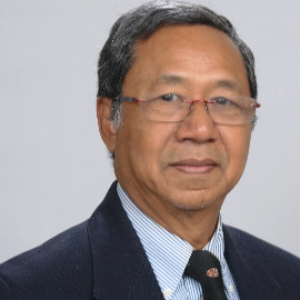
Myint Win Bo
Toronto Metropolitan University , Canada
Leonid Anisimov
Volgograd State University, Russian Federation
Shozo Yanagida
Osaka University, Japan
Martina Gaglioti
LIPU, Italy
Maria Vicenta Esteller Alberich
Universidad Autónoma del Estado de México, Mexico
Oscar Andres Cuanalo Campos
Universidad Popular Autónoma del Estado de Puebla, Mexico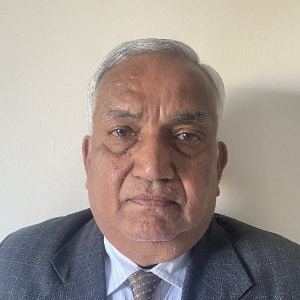
Arun K Shandilya
Dr HSG University Sagar, India

Title : Geotechnical ground investigation
Myint Win Bo, Toronto Metropolitan University , Canada
Title : Simultaneous Global Climate Change "Heat Waves" and microwave and radio-wave from Solar Flares
Shozo Yanagida, Osaka University, Japan
Title : How subsurface waters record the earth’s history
Leonid Anisimov, Volgograd State University, Russian Federation
Title : Landslides.Rainfall one of the main triggering factors in the mountainous regions of Puebla, Mexico.
Oscar Andres Cuanalo Campos, Universidad Popular Autónoma del Estado de Puebla, Mexico
Title : Geo Education exploratory learning sessions on field and underwater
Martina Gaglioti, LIPU, Italy
Title : Linking between color and element concentration for Fluorite: An optical spectroscopic approach
Ali Almohammed, Pandit Deendayal Energy University, India