
Limnology
Limnology is the scientific study of inland aquatic ecosystems, focusing primarily on lakes, reservoirs, rivers, and wetlands. It integrates principles from various disciplines including biology, chemistry, geology, and physics to understand these freshwater environments and their interactions with the surrounding landscapes. Limnologists investigate water quality, nutrient cycling, sedimentation processes, and the biological communities that thrive within these systems. By studying limnology, scientists can assess the health of aquatic habitats, predict responses to environmental changes, and develop strategies for their sustainable management. This field is crucial for addressing challenges such as pollution, climate change impacts, and the conservation of freshwater biodiversity, making it integral to both environmental science and geology.
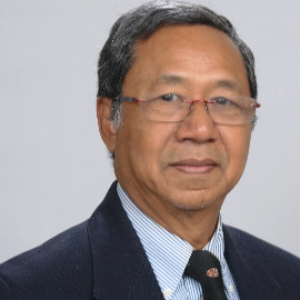
Myint Win Bo
Toronto Metropolitan University , Canada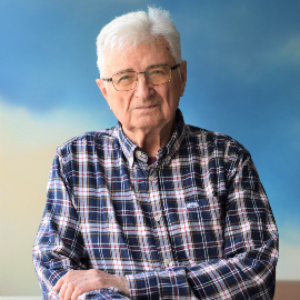
Leonid Anisimov
Volgograd State University, Russian Federation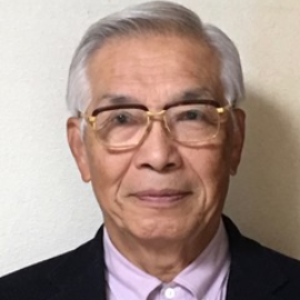
Shozo Yanagida
Osaka University, Japan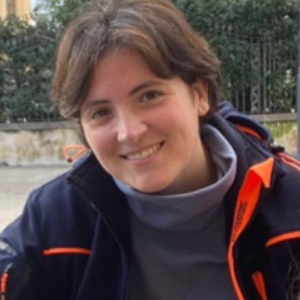
Martina Gaglioti
LIPU, Italy
Maria Vicenta Esteller Alberich
Universidad Autónoma del Estado de México, Mexico
Oscar Andres Cuanalo Campos
Universidad Popular Autónoma del Estado de Puebla, Mexico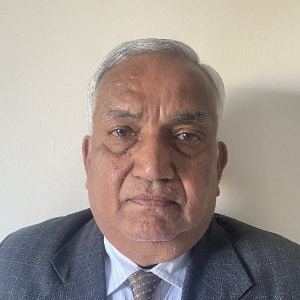
Arun K Shandilya
Dr HSG University Sagar, India

Title : Geotechnical ground investigation
Myint Win Bo, Toronto Metropolitan University , Canada
Title : Simultaneous Global Climate Change "Heat Waves" and microwave and radio-wave from Solar Flares
Shozo Yanagida, Osaka University, Japan
Title : How subsurface waters record the earth’s history
Leonid Anisimov, Volgograd State University, Russian Federation
Title : Landslides.Rainfall one of the main triggering factors in the mountainous regions of Puebla, Mexico.
Oscar Andres Cuanalo Campos, Universidad Popular Autónoma del Estado de Puebla, Mexico
Title : Geo Education exploratory learning sessions on field and underwater
Martina Gaglioti, LIPU, Italy
Title : Linking between color and element concentration for Fluorite: An optical spectroscopic approach
Ali Almohammed, Pandit Deendayal Energy University, India