
Glacier Dynamics
Glacier dynamics encompass the intricate processes through which glaciers move and evolve over time, crucial in understanding Earth's geological and environmental changes. These massive bodies of ice flow under the influence of gravity, responding sensitively to climate shifts. Glacier dynamics involve internal deformation, where ice crystals rearrange, and basal sliding, where ice glides over lubricated surfaces. These processes are influenced by factors like temperature, precipitation patterns, and topography. Studying glacier dynamics provides insights into past climates through ice cores and helps predict future sea level changes and freshwater availability. Monitoring these dynamics is crucial amid global warming, which accelerates glacier retreat and impacts downstream ecosystems and human communities reliant on glacier-fed rivers. Thus, understanding glacier dynamics is pivotal for assessing climate change impacts and developing effective mitigation strategies.
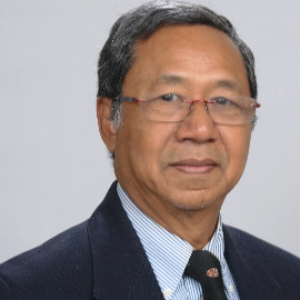
Myint Win Bo
Toronto Metropolitan University , Canada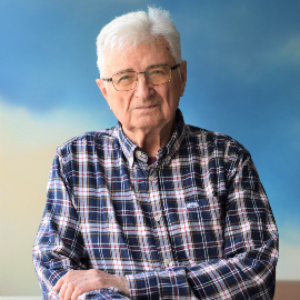
Leonid Anisimov
Volgograd State University, Russian Federation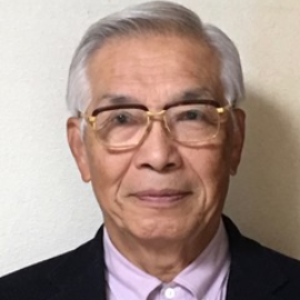
Shozo Yanagida
Osaka University, Japan
Martina Gaglioti
LIPU, Italy
Maria Vicenta Esteller Alberich
Universidad Autónoma del Estado de México, Mexico
Oscar Andres Cuanalo Campos
Universidad Popular Autónoma del Estado de Puebla, Mexico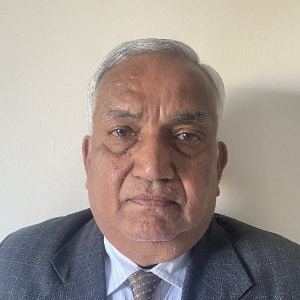
Arun K Shandilya
Dr HSG University Sagar, India

Title : Geotechnical ground investigation
Myint Win Bo, Toronto Metropolitan University , Canada
Title : Simultaneous Global Climate Change "Heat Waves" and microwave and radio-wave from Solar Flares
Shozo Yanagida, Osaka University, Japan
Title : How subsurface waters record the earth’s history
Leonid Anisimov, Volgograd State University, Russian Federation
Title : Landslides.Rainfall one of the main triggering factors in the mountainous regions of Puebla, Mexico.
Oscar Andres Cuanalo Campos, Universidad Popular Autónoma del Estado de Puebla, Mexico
Title : Geo Education exploratory learning sessions on field and underwater
Martina Gaglioti, LIPU, Italy
Title : Linking between color and element concentration for Fluorite: An optical spectroscopic approach
Ali Almohammed, Pandit Deendayal Energy University, India