
GHG emissions
Greenhouse gas (GHG) emissions profoundly impact Earth's climate system, highlighting the intersection of geology and Earth science. Geologically stored carbon, such as in fossil fuels, is released into the atmosphere as carbon dioxide (CO2) through human activities like burning coal, oil, and natural gas. Methane (CH4), another potent GHG, results from agricultural practices, landfills, and natural gas production. These emissions exacerbate global warming by trapping heat in the atmosphere, influencing weather patterns, sea levels, and ecosystems worldwide. Geologists study the carbon cycle's geological aspects, including carbon sequestration in rocks and soils, to better understand GHG dynamics and mitigate their environmental impact. Earth scientists contribute essential insights into how geological processes and human activities shape the planet's climate and inform strategies for sustainable resource use and climate adaptation.
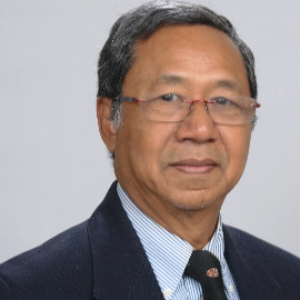
Myint Win Bo
Toronto Metropolitan University , Canada
Leonid Anisimov
Volgograd State University, Russian Federation
Shozo Yanagida
Osaka University, Japan
Martina Gaglioti
LIPU, Italy
Maria Vicenta Esteller Alberich
Universidad Autónoma del Estado de México, Mexico
Oscar Andres Cuanalo Campos
Universidad Popular Autónoma del Estado de Puebla, Mexico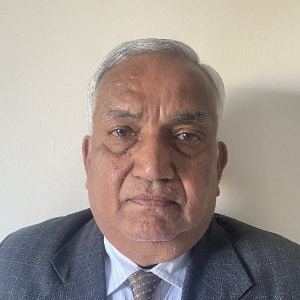
Arun K Shandilya
Dr HSG University Sagar, India

Title : Geotechnical ground investigation
Myint Win Bo, Toronto Metropolitan University , Canada
Title : Simultaneous Global Climate Change "Heat Waves" and microwave and radio-wave from Solar Flares
Shozo Yanagida, Osaka University, Japan
Title : How subsurface waters record the earth’s history
Leonid Anisimov, Volgograd State University, Russian Federation
Title : Landslides.Rainfall one of the main triggering factors in the mountainous regions of Puebla, Mexico.
Oscar Andres Cuanalo Campos, Universidad Popular Autónoma del Estado de Puebla, Mexico
Title : Geo Education exploratory learning sessions on field and underwater
Martina Gaglioti, LIPU, Italy
Title : Linking between color and element concentration for Fluorite: An optical spectroscopic approach
Ali Almohammed, Pandit Deendayal Energy University, India