
Geothermal Systems
Geothermal systems tap into Earth's natural heat reservoirs beneath the surface, where hot rocks and fluids create renewable energy. These systems operate near tectonic plate boundaries or volcanic regions, where magma heats groundwater. They come in various forms: hydrothermal systems circulate water through heated rocks, while enhanced geothermal systems (EGS) create reservoirs by injecting water into deep, hot rock formations. Geothermal energy offers clean power generation and heating solutions with minimal environmental impact, making it a promising contender in the quest for sustainable energy sources. Its reliability and versatility—from powering homes to industrial applications—underscore its potential to meet growing global energy demands while reducing carbon footprints.
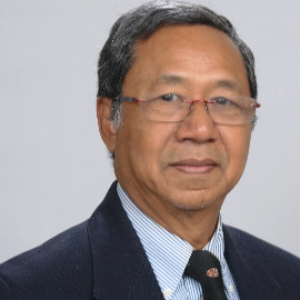
Myint Win Bo
Toronto Metropolitan University , Canada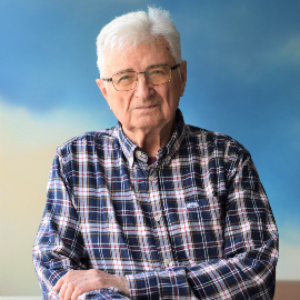
Leonid Anisimov
Volgograd State University, Russian Federation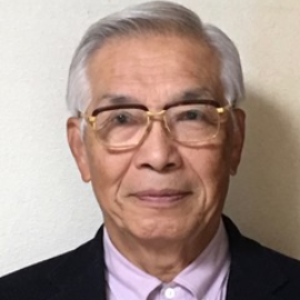
Shozo Yanagida
Osaka University, Japan
Martina Gaglioti
LIPU, Italy
Maria Vicenta Esteller Alberich
Universidad Autónoma del Estado de México, Mexico
Oscar Andres Cuanalo Campos
Universidad Popular Autónoma del Estado de Puebla, Mexico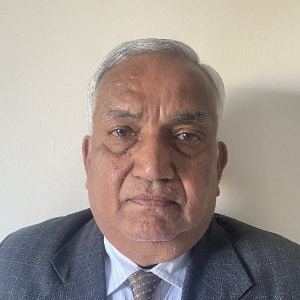
Arun K Shandilya
Dr HSG University Sagar, India

Title : Geotechnical ground investigation
Myint Win Bo, Toronto Metropolitan University , Canada
Title : Simultaneous Global Climate Change "Heat Waves" and microwave and radio-wave from Solar Flares
Shozo Yanagida, Osaka University, Japan
Title : How subsurface waters record the earth’s history
Leonid Anisimov, Volgograd State University, Russian Federation
Title : Landslides.Rainfall one of the main triggering factors in the mountainous regions of Puebla, Mexico.
Oscar Andres Cuanalo Campos, Universidad Popular Autónoma del Estado de Puebla, Mexico
Title : Geo Education exploratory learning sessions on field and underwater
Martina Gaglioti, LIPU, Italy
Title : Linking between color and element concentration for Fluorite: An optical spectroscopic approach
Ali Almohammed, Pandit Deendayal Energy University, India