
Geoscience’s Robotics
Geoscience's robotics is revolutionizing the study of geology and Earth science by enabling unprecedented exploration and data collection in challenging environments. These advanced robots, equipped with cutting-edge sensors and AI, can navigate and analyze terrains that are otherwise inaccessible to humans, such as deep ocean floors, volcanic regions, and polar ice caps. They provide high-resolution mapping, real-time monitoring, and detailed geological sampling, enhancing our understanding of Earth's processes and history. By automating repetitive and hazardous tasks, robotics also ensures safety and efficiency in fieldwork, paving the way for more sustainable and comprehensive geological research. This technological integration is crucial for addressing complex geological challenges and advancing our knowledge of Earth's dynamic systems.
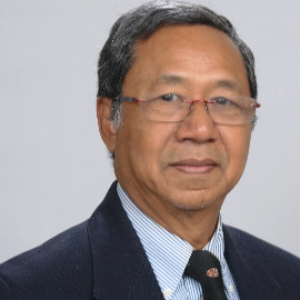
Myint Win Bo
Toronto Metropolitan University , Canada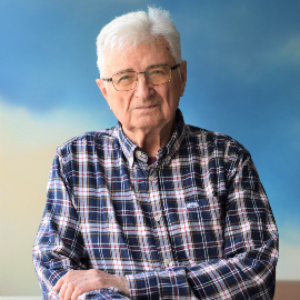
Leonid Anisimov
Volgograd State University, Russian Federation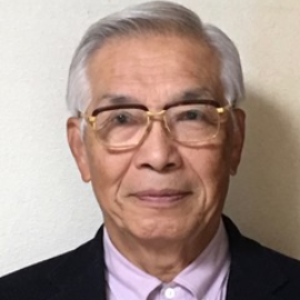
Shozo Yanagida
Osaka University, Japan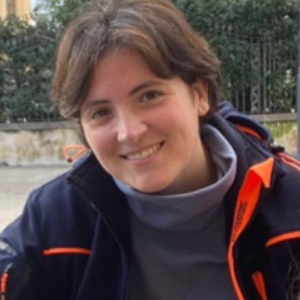
Martina Gaglioti
LIPU, Italy
Maria Vicenta Esteller Alberich
Universidad Autónoma del Estado de México, Mexico
Oscar Andres Cuanalo Campos
Universidad Popular Autónoma del Estado de Puebla, Mexico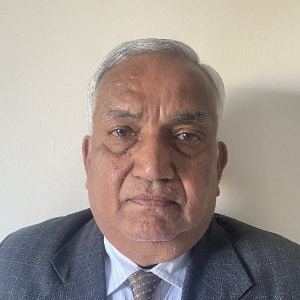
Arun K Shandilya
Dr HSG University Sagar, India

Title : Geotechnical ground investigation
Myint Win Bo, Toronto Metropolitan University , Canada
Title : Simultaneous Global Climate Change "Heat Waves" and microwave and radio-wave from Solar Flares
Shozo Yanagida, Osaka University, Japan
Title : How subsurface waters record the earth’s history
Leonid Anisimov, Volgograd State University, Russian Federation
Title : Landslides.Rainfall one of the main triggering factors in the mountainous regions of Puebla, Mexico.
Oscar Andres Cuanalo Campos, Universidad Popular Autónoma del Estado de Puebla, Mexico
Title : Geo Education exploratory learning sessions on field and underwater
Martina Gaglioti, LIPU, Italy
Title : Linking between color and element concentration for Fluorite: An optical spectroscopic approach
Ali Almohammed, Pandit Deendayal Energy University, India