
Geochronology
Geochronology, a pivotal branch of geology, delves into determining the age of rocks, fossils, and sediments, fostering our understanding of Earth's history and temporal sequences. Employing techniques like radiometric dating, scientists measure isotopic decay to pinpoint precise ages, unraveling geological events spanning billions of years. This temporal framework aids in constructing the geological time scale, crucial for correlating rock layers across regions. Geochronology not only elucidates the timing of volcanic eruptions, mountain formations, and sedimentary processes but also informs on Earth's evolution, climate changes, and life development. Its advancements propel research in tectonics, stratigraphy, and paleontology, rendering it indispensable in Earth science.
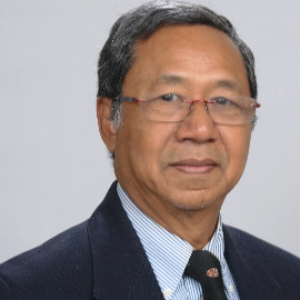
Myint Win Bo
Toronto Metropolitan University , Canada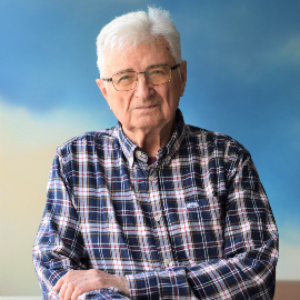
Leonid Anisimov
Volgograd State University, Russian Federation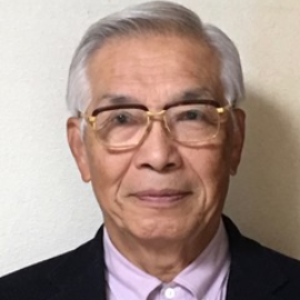
Shozo Yanagida
Osaka University, Japan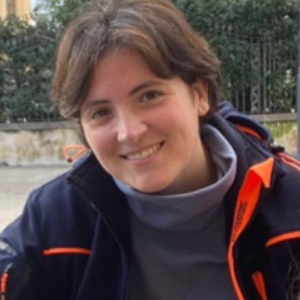
Martina Gaglioti
LIPU, Italy
Maria Vicenta Esteller Alberich
Universidad Autónoma del Estado de México, Mexico
Oscar Andres Cuanalo Campos
Universidad Popular Autónoma del Estado de Puebla, Mexico
Arun K Shandilya
Dr HSG University Sagar, India

Title : Geotechnical ground investigation
Myint Win Bo, Toronto Metropolitan University , Canada
Title : Simultaneous Global Climate Change "Heat Waves" and microwave and radio-wave from Solar Flares
Shozo Yanagida, Osaka University, Japan
Title : How subsurface waters record the earth’s history
Leonid Anisimov, Volgograd State University, Russian Federation
Title : Landslides.Rainfall one of the main triggering factors in the mountainous regions of Puebla, Mexico.
Oscar Andres Cuanalo Campos, Universidad Popular Autónoma del Estado de Puebla, Mexico
Title : Geo Education exploratory learning sessions on field and underwater
Martina Gaglioti, LIPU, Italy
Title : Linking between color and element concentration for Fluorite: An optical spectroscopic approach
Ali Almohammed, Pandit Deendayal Energy University, India