
Endogenous processes
Endogenous processes in geology refer to the internal forces and mechanisms that shape the Earth's crust. These processes include tectonic plate movements, volcanic eruptions, and seismic activities driven by the Earth's internal heat and pressure. Tectonic plate movements, such as subduction and collision, result in mountain formation and oceanic trench creation. Volcanic eruptions release magma from the Earth's mantle, forming new landforms like volcanoes and lava plateaus. Seismic activities, including earthquakes, occur due to the release of accumulated stress along fault lines. Together, these endogenous processes play a crucial role in shaping the Earth's surface, influencing landscapes, geology, and even climate patterns over geological timescales. Understanding these processes is fundamental to predicting natural hazards and interpreting Earth's history through geological formations.
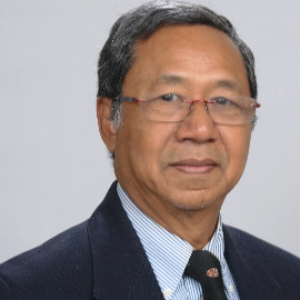
Myint Win Bo
Toronto Metropolitan University , Canada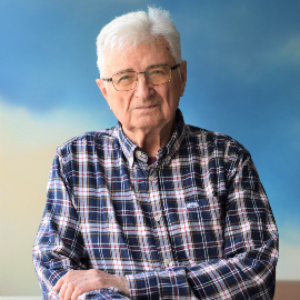
Leonid Anisimov
Volgograd State University, Russian Federation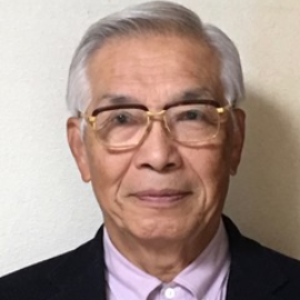
Shozo Yanagida
Osaka University, Japan
Martina Gaglioti
LIPU, Italy
Maria Vicenta Esteller Alberich
Universidad Autónoma del Estado de México, Mexico
Oscar Andres Cuanalo Campos
Universidad Popular Autónoma del Estado de Puebla, Mexico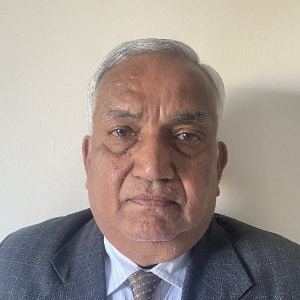
Arun K Shandilya
Dr HSG University Sagar, India

Title : Geotechnical ground investigation
Myint Win Bo, Toronto Metropolitan University , Canada
Title : Simultaneous Global Climate Change "Heat Waves" and microwave and radio-wave from Solar Flares
Shozo Yanagida, Osaka University, Japan
Title : How subsurface waters record the earth’s history
Leonid Anisimov, Volgograd State University, Russian Federation
Title : Landslides.Rainfall one of the main triggering factors in the mountainous regions of Puebla, Mexico.
Oscar Andres Cuanalo Campos, Universidad Popular Autónoma del Estado de Puebla, Mexico
Title : Geo Education exploratory learning sessions on field and underwater
Martina Gaglioti, LIPU, Italy
Title : Linking between color and element concentration for Fluorite: An optical spectroscopic approach
Ali Almohammed, Pandit Deendayal Energy University, India