
Drought Management
Drought management in geology and earth science involves understanding water scarcity's geological causes and employing effective strategies to mitigate its impact. Geologically, factors like prolonged precipitation deficits, soil moisture depletion, and hydrological changes contribute to drought conditions. Earth scientists analyze these factors using techniques such as hydrological modeling, satellite data interpretation, and geological mapping to predict and monitor drought-prone regions. Management strategies include water conservation, improved irrigation techniques, and sustainable land management practices. Geological insights into aquifer recharge rates and groundwater dynamics are crucial for developing long-term drought resilience plans. Effective drought management not only requires scientific understanding but also interdisciplinary approaches integrating geology, meteorology, and hydrology to safeguard water resources and ecosystems against the impacts of prolonged dry spells.
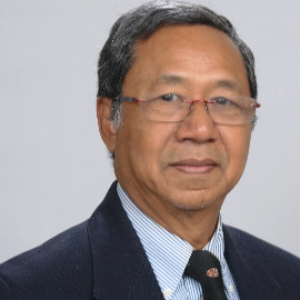
Myint Win Bo
Toronto Metropolitan University , Canada
Leonid Anisimov
Volgograd State University, Russian Federation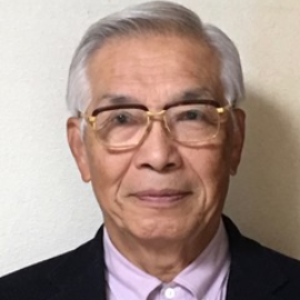
Shozo Yanagida
Osaka University, Japan
Martina Gaglioti
LIPU, Italy
Maria Vicenta Esteller Alberich
Universidad Autónoma del Estado de México, Mexico
Oscar Andres Cuanalo Campos
Universidad Popular Autónoma del Estado de Puebla, Mexico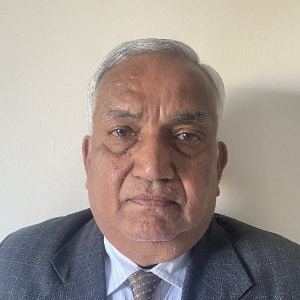
Arun K Shandilya
Dr HSG University Sagar, India

Title : Geotechnical ground investigation
Myint Win Bo, Toronto Metropolitan University , Canada
Title : Simultaneous Global Climate Change "Heat Waves" and microwave and radio-wave from Solar Flares
Shozo Yanagida, Osaka University, Japan
Title : How subsurface waters record the earth’s history
Leonid Anisimov, Volgograd State University, Russian Federation
Title : Landslides.Rainfall one of the main triggering factors in the mountainous regions of Puebla, Mexico.
Oscar Andres Cuanalo Campos, Universidad Popular Autónoma del Estado de Puebla, Mexico
Title : Geo Education exploratory learning sessions on field and underwater
Martina Gaglioti, LIPU, Italy
Title : Linking between color and element concentration for Fluorite: An optical spectroscopic approach
Ali Almohammed, Pandit Deendayal Energy University, India