
Construction Techniques
Construction techniques in geology and earth science encompass a range of methods tailored to the specific geological conditions of a site. This includes foundation engineering, where geological surveys determine soil stability and bearing capacity, crucial for building safe and durable structures. In tunnel construction, geological mapping guides tunnel alignment and excavation methods to navigate through varying rock types and minimize risks such as collapses or groundwater ingress. Geophysical surveys utilize techniques like seismic reflection to investigate subsurface structures, aiding in infrastructure planning and hazard assessment. Earthworks, involving excavation and soil manipulation, are managed according to geological profiles to ensure stability and prevent landslides or erosion. Overall, integrating geological knowledge into construction techniques optimizes project outcomes by mitigating geological hazards and enhancing structural resilience.
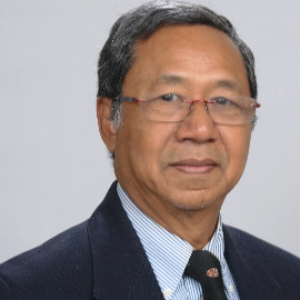
Myint Win Bo
Toronto Metropolitan University , Canada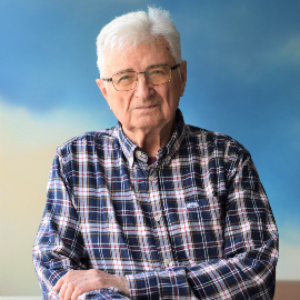
Leonid Anisimov
Volgograd State University, Russian Federation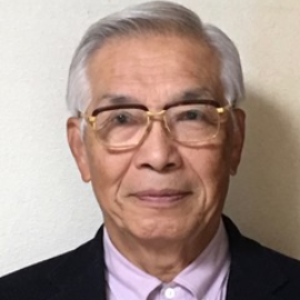
Shozo Yanagida
Osaka University, Japan
Martina Gaglioti
LIPU, Italy
Maria Vicenta Esteller Alberich
Universidad Autónoma del Estado de México, Mexico
Oscar Andres Cuanalo Campos
Universidad Popular Autónoma del Estado de Puebla, Mexico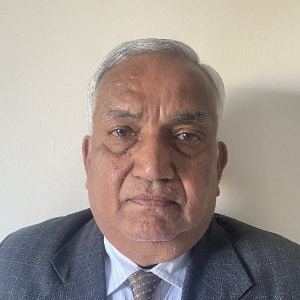
Arun K Shandilya
Dr HSG University Sagar, India

Title : Geotechnical ground investigation
Myint Win Bo, Toronto Metropolitan University , Canada
Title : Simultaneous Global Climate Change "Heat Waves" and microwave and radio-wave from Solar Flares
Shozo Yanagida, Osaka University, Japan
Title : How subsurface waters record the earth’s history
Leonid Anisimov, Volgograd State University, Russian Federation
Title : Landslides.Rainfall one of the main triggering factors in the mountainous regions of Puebla, Mexico.
Oscar Andres Cuanalo Campos, Universidad Popular Autónoma del Estado de Puebla, Mexico
Title : Geo Education exploratory learning sessions on field and underwater
Martina Gaglioti, LIPU, Italy
Title : Linking between color and element concentration for Fluorite: An optical spectroscopic approach
Ali Almohammed, Pandit Deendayal Energy University, India