
Carbon Cycle
Carbon Cycle
The carbon cycle is Earth's intricate dance of carbon, crucial to both geology and the environment. It begins with photosynthesis, where plants absorb atmospheric carbon dioxide (CO2) to create organic matter. This carbon then travels through the food web as organisms consume one another. Decomposition releases CO2 back into the atmosphere, while geological processes like weathering and carbonate formation store carbon for extended periods. Human activities, such as burning fossil fuels and deforestation, have disrupted this cycle, spiking CO2 levels and influencing global climate patterns. Managing the carbon cycle is critical for preserving Earth's delicate balance and safeguarding our ecosystems against the impacts of climate change.
Committee Members
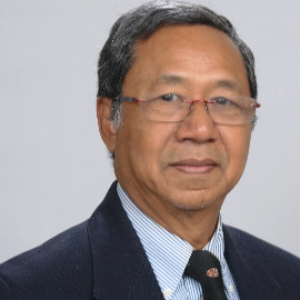
Myint Win Bo
Toronto Metropolitan University , Canada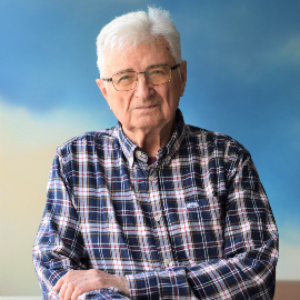
Leonid Anisimov
Volgograd State University, Russian Federation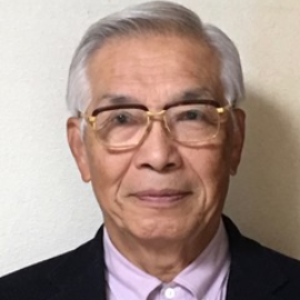
Shozo Yanagida
Osaka University, Japan Geology 2023 Speakers
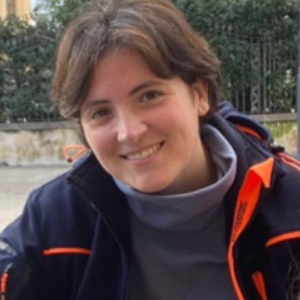
Martina Gaglioti
LIPU, Italy
Maria Vicenta Esteller Alberich
Universidad Autónoma del Estado de México, Mexico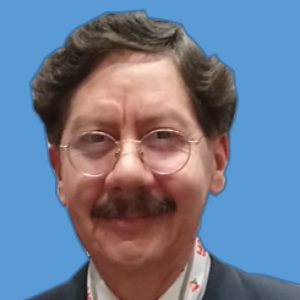
Oscar Andres Cuanalo Campos
Universidad Popular Autónoma del Estado de Puebla, Mexico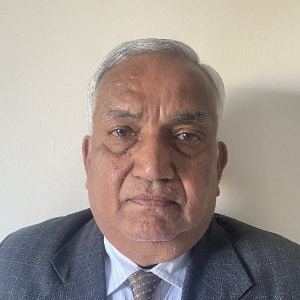
Arun K Shandilya
Dr HSG University Sagar, India

Title : Geotechnical ground investigation
Myint Win Bo, Toronto Metropolitan University , Canada
Title : Simultaneous Global Climate Change "Heat Waves" and microwave and radio-wave from Solar Flares
Shozo Yanagida, Osaka University, Japan
Title : How subsurface waters record the earth’s history
Leonid Anisimov, Volgograd State University, Russian Federation
Title : Landslides.Rainfall one of the main triggering factors in the mountainous regions of Puebla, Mexico.
Oscar Andres Cuanalo Campos, Universidad Popular Autónoma del Estado de Puebla, Mexico
Title : Geo Education exploratory learning sessions on field and underwater
Martina Gaglioti, LIPU, Italy
Title : Linking between color and element concentration for Fluorite: An optical spectroscopic approach
Ali Almohammed, Pandit Deendayal Energy University, India