
Atmospheric Sounding and Remote Sensing
Atmospheric sounding and remote sensing play crucial roles in geology and earth sciences by providing detailed data on atmospheric conditions and surface features. Atmospheric sounding involves measuring vertical profiles of temperature, humidity, and other parameters using instruments like radiosondes or satellites. This data helps in understanding atmospheric dynamics, which impact weather patterns and climate change studies. Remote sensing uses satellites and ground-based sensors to collect data on Earth's surface characteristics, including topography, vegetation cover, and geological formations. This information aids in geological mapping, resource exploration (such as oil and mineral deposits), and environmental monitoring. Together, these techniques contribute to a comprehensive understanding of Earth's processes and support informed decision-making in various scientific and industrial applications.
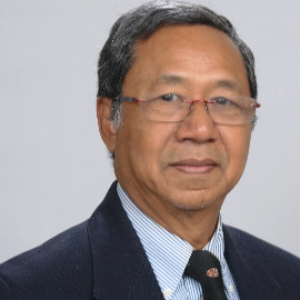
Myint Win Bo
Toronto Metropolitan University , Canada
Leonid Anisimov
Volgograd State University, Russian Federation
Shozo Yanagida
Osaka University, Japan
Martina Gaglioti
LIPU, Italy
Maria Vicenta Esteller Alberich
Universidad Autónoma del Estado de México, Mexico
Oscar Andres Cuanalo Campos
Universidad Popular Autónoma del Estado de Puebla, Mexico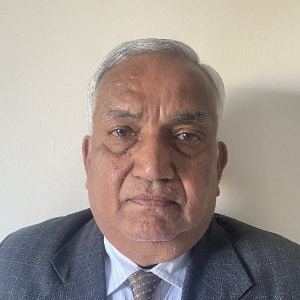
Arun K Shandilya
Dr HSG University Sagar, India

Title : Geotechnical ground investigation
Myint Win Bo, Toronto Metropolitan University , Canada
Title : Simultaneous Global Climate Change "Heat Waves" and microwave and radio-wave from Solar Flares
Shozo Yanagida, Osaka University, Japan
Title : How subsurface waters record the earth’s history
Leonid Anisimov, Volgograd State University, Russian Federation
Title : Landslides.Rainfall one of the main triggering factors in the mountainous regions of Puebla, Mexico.
Oscar Andres Cuanalo Campos, Universidad Popular Autónoma del Estado de Puebla, Mexico
Title : Geo Education exploratory learning sessions on field and underwater
Martina Gaglioti, LIPU, Italy
Title : Linking between color and element concentration for Fluorite: An optical spectroscopic approach
Ali Almohammed, Pandit Deendayal Energy University, India