
Archaeometry
Archaeometry, the application of scientific techniques to analyze archaeological artifacts, plays a vital role in geology and earth science. This interdisciplinary field leverages methods like radiometric dating, mineralogical analysis, and geochemical fingerprinting to uncover the origins, composition, and age of ancient materials. By examining stone tools, ceramics, and metal objects, archaeometrists can trace raw material sources and trade routes, revealing patterns of human behavior and environmental adaptation. Techniques such as X-ray fluorescence (XRF) and neutron activation analysis (NAA) provide precise elemental compositions, offering insights into technological advancements and cultural exchanges. Through these analyses, archaeometry bridges geology and archaeology, enriching our understanding of past civilizations and their interactions with the Earth's resources.
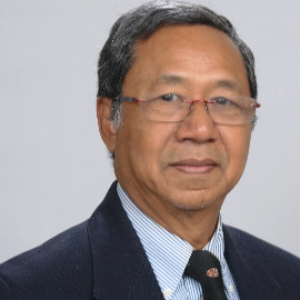
Myint Win Bo
Toronto Metropolitan University , Canada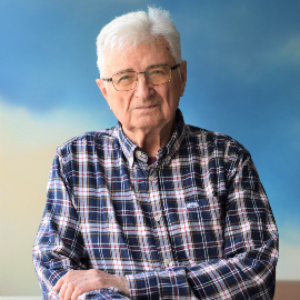
Leonid Anisimov
Volgograd State University, Russian Federation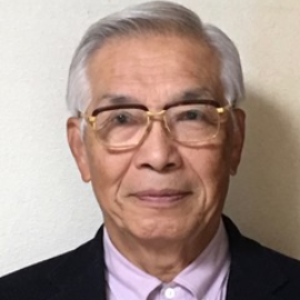
Shozo Yanagida
Osaka University, Japan
Martina Gaglioti
LIPU, Italy
Maria Vicenta Esteller Alberich
Universidad Autónoma del Estado de México, Mexico
Oscar Andres Cuanalo Campos
Universidad Popular Autónoma del Estado de Puebla, Mexico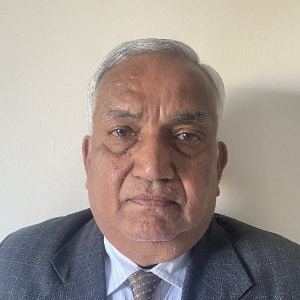
Arun K Shandilya
Dr HSG University Sagar, India

Title : Geotechnical ground investigation
Myint Win Bo, Toronto Metropolitan University , Canada
Title : Simultaneous Global Climate Change "Heat Waves" and microwave and radio-wave from Solar Flares
Shozo Yanagida, Osaka University, Japan
Title : How subsurface waters record the earth’s history
Leonid Anisimov, Volgograd State University, Russian Federation
Title : Landslides.Rainfall one of the main triggering factors in the mountainous regions of Puebla, Mexico.
Oscar Andres Cuanalo Campos, Universidad Popular Autónoma del Estado de Puebla, Mexico
Title : Geo Education exploratory learning sessions on field and underwater
Martina Gaglioti, LIPU, Italy
Title : Linking between color and element concentration for Fluorite: An optical spectroscopic approach
Ali Almohammed, Pandit Deendayal Energy University, India